Where did we come from? What is our purpose? What is the Great Mystery?
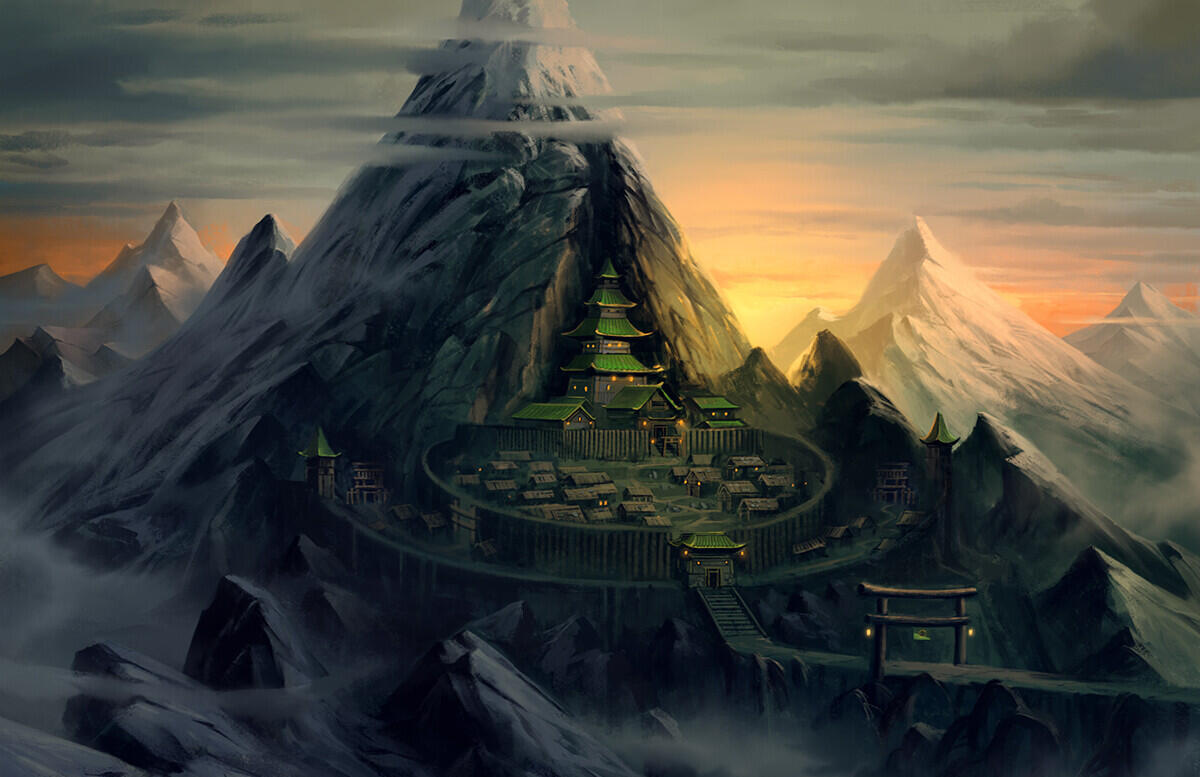
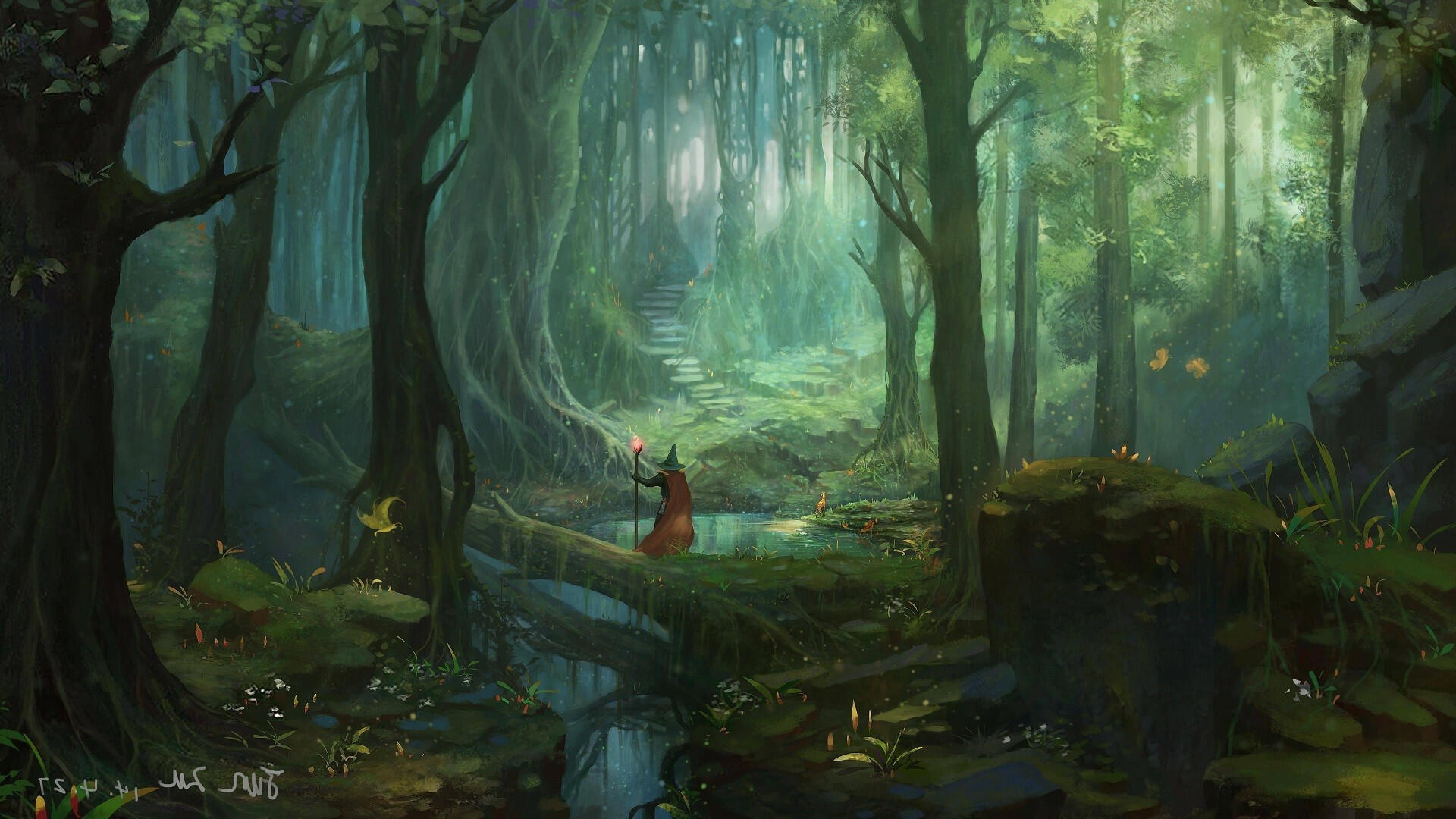
The human spiritual experience is like a majestic mountain. Hidden high in the clouds resides the Great Mystery. Below the summit, humans establish various paths as they explore the many faces of the mountainside.* * *
These paths - ancient spiritual traditions, contemporary belief systems, and the Great Mystery that exists above it all...
these are the hidden things of which we seek.
Many Paths - One Mountain
Seekers Society
Calling all Seekers...
☞ If you have more questions than answers...
☞ If you enjoy uncovering knowledge and co-creating meaning with others...
☞ If you wish to deepen your own understanding through self study and fellowship...Then! The Seekers Society is for YOU!
Buddha, Watts, & Beats
Saturdays , Jan 10 - Feb 28
@ 11:30a - 12:30p
Beginning in the 1950's, Buddhism was imported to the United States and combined with a long tradition of freedom and/of religion to create something entirely new.Alan Watts and the Beat writers ushered this new consciousness that was forever to alter the cultural and spiritual landscape of America. We will use lectures and writings from the time period to illuminate this phenomenon.Weekly Themes:
Week 1: Buddha comes West
Week 2: Watts goes East
Week 3: Watts’ Teachings
Week 4: The Beats
Week 5: Dharma Bums
Week 6: Dharma Bums / Big Sky
Week 7: Big Sky Minds
Week 8: Beyond BeatsEach week will include:
an essential question, a reading, and an Alan Watts lecture.Readings and Excerpts:
In My Own Way (Watts), Out of Your Mind Lecture Series (Watts), Dharma Bums (Keroauc), Big Sky Mind (Various)
Join us!
Saturday Mornings 1/10 - 2/28
-
Donations accepted
venmo @robert_tron
-
Come to one or both sessions. Tea and conversations between sessions.
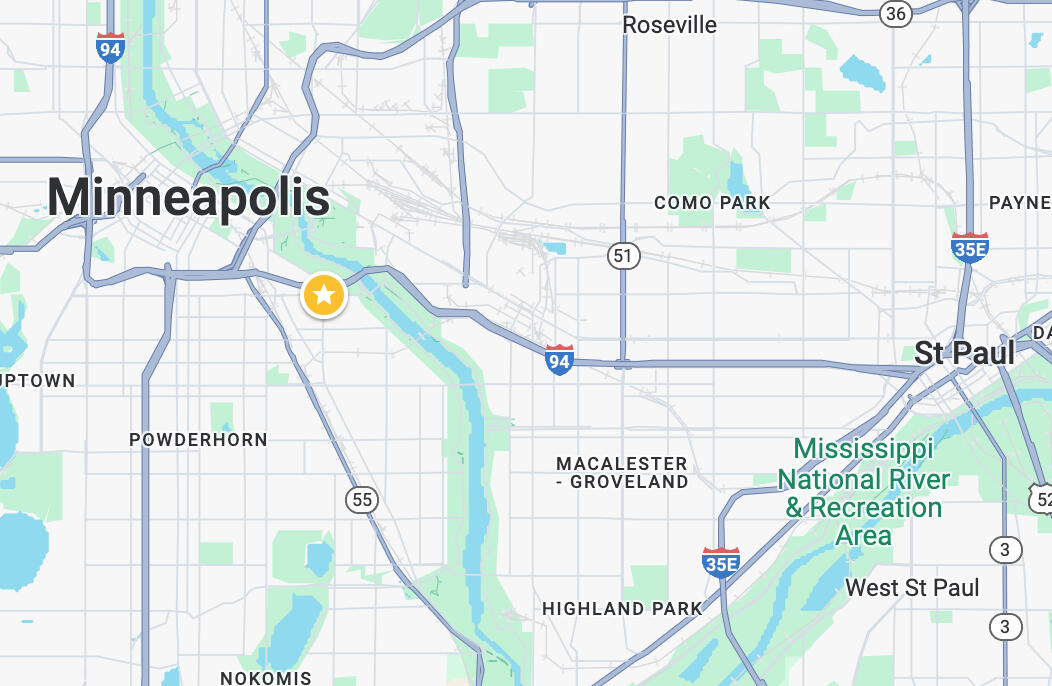
Meeting at a residence in
NE neighborhood.Sign up or get in touch for exact address.
Why I believe in the Seekers Society
∞ These courses have been crafted to find and connect with other Seekers. The Society is a basecamp for Seekers to rest their feet, share their stories, and study the paths of those who have come before.∞ What I bring to this experience is the curiosity, skills, and joy gathered through roles such as Coyote Mentor, Stillness and Movement Facilitator (Waldorf and Democratic Free School) and current public school teacher creating an Alternative Learning Center for middle schoolers.

Robert Tron
The Seekers Society is a learning collective whose purpose is to seek a deeper understanding of the spiritual mysteries of the human experience.
Many Paths - One Mountain
Seekers Society
est. 2021
Sign up for updates and access to materials
No more than one email a week.
Your contact info will never be shared.
Course:
Seeker Foundations
Saturdays, Jan 10 - Feb 28
@ 9:30a - 10:30a
This is the foundational course of all explorations of the Seekers Society. Seeker Foundations is designed to be valuable for all level of Seekers.Seekers are invited to take a journey through the story of humanity through the spiritual traditions and belief systems that have shaped our perception of ourselves and our relationship with the Great Mystery.Weekly Themes:
Week 1: Creation
Week 2: Naming
Week 3: Drama
Week 4: Ethics
Week 5: Love
Week 6: Mystic
Week 7: Cosmic
Week 8: IntegrationEach week will include:
an essential question, a reading, a virtue, and a practice.Readings and Excerpts:
Eluma Elish, Bhagavad Gita, Dhammapada, the Gospel, selected works of Rumi and Hafiz, Flower of Life.
Course:
Buddha, Watts, & Beats
Saturdays , Jan 10 - Feb 28
@ 11:30a - 12:30p
Beginning in the 1950's, Buddhism was imported to the United States and combined with a long tradition of freedom and/of religion to create something entirely new.Alan Watts and the Beat writers ushered this new consciousness that was forever to alter the cultural and spiritual landscape of America. We will use lectures and writings from the time period to illuminate this phenomenon.Weekly Themes:
Week 1: Buddha comes West
Week 2: Watts goes East
Week 3: Watts’ Teachings
Week 4: The Beats
Week 5: Dharma Bums
Week 6: Dharma Bums / Big Sky
Week 7: Big Sky Minds
Week 8: Beyond BeatsEach week will include:
an essential question, a reading, and an Alan Watts lecture.Readings and Excerpts:
In My Own Way (Watts), Out of Your Mind Lecture Series (Watts), Dharma Bums (Keroauc), Big Sky Mind (Various)
Inquiry: Creation
Below is a dropbox link. No account neccessary.
About this text:
The Enuma Elish (also known as The Seven Tablets of Creation) is the Mesopotamian creation myth whose title is derived from the opening lines of the piece, "When on High". The myth tells the story of the great god Marduk's victory over the forces of chaos and his establishment of order at the creation of the world.The Enuma Elish would later be the inspiration for the Hebrew scribes who created the text now known as the biblical Book of Genesis. Prior to the 19th century CE, the Bible was considered the oldest book in the world and its narratives were thought to be completely original. However, once the tablets were translated, it was understood that a number of biblical narratives were Mesopotamian in origin.source: https://www.worldhistory.org
Discussion Questions:
1. What are the reoccuring themes in the Eluma Elish? What is the most important lesson from the text?2. What imagery was the most striking to you? Why do you think the authors used this imagery?3. What similarities and differences do you notice in the Enuma Elish compared to themes in Genesis or other creation stories?4. Where did ancient peoples gather inspiration to tell such a story? What does this story reveal about the world they lived in?5. What are the ways in which you observe, honor, or engage with creation (in any form) in your life?
Inquiry: Naming
Below is a dropbox link. No account neccessary.
About this text:
Sefer Yetzirah (Book of Formation/Creation) is the title of the earliest extant book on Jewish esotericism, although some early commentators treated it as a treatise on mathematical and linguistic theory as opposed to Kabbalah. It describes how the universe was created by the God of Israel (a list of all of God's Hebrew names appears in the first sentence of the book) through 32 wondrous ways of wisdom.The book is traditionally ascribed to the patriarch Abraham. However, according to modern historians, the origin of the text is unknown and hotly debated. Some scholars believe it might have an early medieval origin, while others emphasize earlier traditions appearing in the book. The division of the letters into the three classes of vowels, mutes, and sonants also appears in Hellenic texts.source: https://www.sefaria.org
Discussion Questions:
1. What is significant about the Sepher Yetzirah’s approach to letters and language?2. How could this text be used to explore and understand other texts in Hebrew? What might be lost in translation?3. If you could speak to Abraham (ascribed author of the text) and ask only one question, what would you ask?4. Can you identify other sacred texts or stories with parallel approaches to language?5. How does naming show up in your daily life? What names are important to you? What names are you unaware of?
Inquiry: Drama
Below is a dropbox link. No account neccessary.
About this text:
The Bhagavad Gita (“Song of God” or “Song of the Lord”) is among the most important religious texts of Hinduism and easily the best known. It is commonly referred to as the Gita and was originally part of the great Indian epic Mahabharata. Its date of composition, therefore, is closely associated with that of the epic – c. 5th-3rd century BCE – but not all scholars agree that the work was originally included in the Mahabharata text and so date it later to c. 2nd century BCE.The Gita is a dialogue between the warrior-prince Arjuna and the god Krishna who is serving as his charioteer at the Battle of Kurukshetra fought between Arjuna's family and allies (the Pandavas) and those of the prince Duryodhana and his family (the Kauravas) and their allies.Accordingly, when Arjuna sees all his former friends and comrades on the opposing side, he loses heart and refuses to take part in a battle which will result in their deaths as well as many others. The rest of the text is the dialogue between the prince and the god on what constitutes right action, proper understanding and, ultimately, the meaning of life and nature of the Divine.source: https://www.worldhistory.org
Discussion Questions:
1. How does the setting of the story add to its message and themes? How might it distract?2. According to the text, what is the importance of family structures? Do you agree?3. Arjuna is counseled to perform his duty without attachment to success or failure. Why is this significant?4. In what ways might this story inform the culture of people who use it as a religious text? How might that be different than seeing it as a philosophical text?5. In what ways do you see yourself involved in a Cosmic Drama? Do you have a duty to your higher self?... To the Cosmos?
Inquiry: Ethics
Below is a dropbox link. No account neccessary.
About this text:
Dhammapada is a collection of 423 verses as uttered by Gautama Buddha himself to his disciples. An anthology of moral precepts and maxims, it is divided into 26 chapters under such headers as Thought, Flowers, Old Age, Self, Happiness, Pleasure, Anger, Thirst, Brahmana and others. Though seemingly separated across so many chapters a fundamental thread runs through all the verses, which becomes perceptible on reading the text.The teachings of Buddha focus on the way, the magga (Sankskrit: marga) or path, that delivers a person from a life that is inescapably connected with desires, infatuation, sorrows, hate and an endless cycle of Becoming.The verses continue to enjoy such superlative popularity among people, both followers of the way and others, because they present axioms in a very plain language, easily accessible and relatable to all, regardless of background.source: https://www.worldhistory.org
Discussion Questions:
1. According to the Dhammapada, which quality is the most important to cultivate? Which quality should be removed and/or avoided?2. If you had to choose one verse from the selected excerpts to live by, which one would you choose and why?3. From where do you draw your own code of ethics? How important are these for you to live by?4. Should everyone live by the same code of ethics?5. Is it possible for a code of ethics to be timeless?
Inquiry: Kabbalah
Tree of Life
1. Basic Overview ~ 14 min
The Tree of Life2. Overview, History, Concepts ~ 48 min
Tree of Life Unlocked Pt. 13. Describing the Sephirot ~ 32 min
Approaching the Tree of Life4. How do we know it's true? ~ 45 min
Rabbi Yom Tav Glaser
Overview Article
Introductary Videos
1. History ~ 4 min
How did Kabbalah Begin?2. Exploring Kabbalah ~ 28 min
Jewish Mysticism Explained3. Practical Breakdown ~ 56 min
What is Kabbalah?
Current Series:
Roots & Origins
Last Wednesdays of the month @ 6:30p - 8:00p
Our human roots are intimately intertwined with stories. Indeed, our very civilization, belief systems, and cultures are all built on the stories we tell ourselves.
* * *Each month we will share time exploring a different origin story or ancient myth rooted in a certain time or place:Sept 25th - Dakota Origin Story @ Bdote
Oct 30th - Samhain and All Hallows Eve
Nov 27th - N. American Indigenous Traditions
Dec 18th - Solstice, Christ, and Kris Kringle
Seek and you shall...
Seek and you shall...
Seek and you shall...
We are pleased you have chosen to seek with us!
Further information will come to you via email.
Where did we come from? What is our purpose? What is the Great Mystery?
The human spiritual experience is like a majestic mountain. Hidden high in the clouds resides the Great Mystery. Below the summit, humans establish many paths as they explore the many faces of the mountainside.* * *
These paths - ancient spiritual traditions, contemporary belief systems, and the Great Mystery that exists above it all...
these are the hidden things of which we seek.
Many Paths - One Mountain
Mons Mysteri Seekers Society
The Mons Mysteri Seekers Society is an emerging learning collective with the purpose of coming together to seek a greater understanding of the spiritual mysteries and inquires of the human experience.
10 Week Course:
Seeker Foundations
Mondays, Feb 7 - April 11 @ 5:30p
Hosted at Creators Space in St. Paul
Seekers are invited to take a journey through the story of humanity through the spiritual traditions and belief systems that have shaped our perception of ourselves and our relationship with the Great Mystery.
10 Week Course:
Buddha, Watts, & Beats
Mondays, Feb 7 - April 11 @ 7p
Hosted at Creators Space in St. Paul
Beginning in the 1950's, Buddhism was imported to the United States and combined with a long tradition of freedom and/of religion to create something new entirely. Alan Watts and the Beat writers ushered this new consciousness that was forever to alter the cultural and spiritual landscape of America.

www.seekerssociety.info
Calling all Seekers...
- If you have more questions than answers
- If you enjoy co-creating knowledge with others
- If you wish to deepen your own understanding through self study and group discussionsThen! The Seekers Society is for YOU!Each course is an opportunity to dig deeper into your own explorations through the examination of the texts and practices of spiritual seekers that have walked the paths before you.
Many Paths - One Mountain
Mons Mysteri Seekers Society
The Mons Mysteri Seekers Society is an emerging learning collective with the purpose of coming together to seek a greater understanding of the spiritual mysteries and inquires of the human experience.

https://seekerssociety.info
Calling all Seekers...
- If you have more questions than answers
- If you enjoy co-creating knowledge with others
- If you wish to deepen your own understanding through self study and group discussionsThen! The Seekers Society is for YOU!